Can a high pressure compressed air tank be used in a confined space? This is a question that often arises in various industrial and practical applications. As a supplier of High Pressure Compressed Air Tank, I am excited to share in - depth insights with you.
Understanding High Pressure Compressed Air Tanks
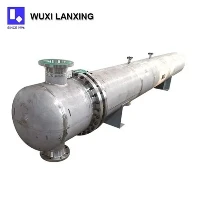
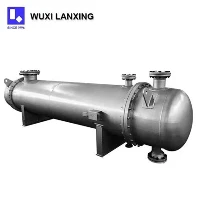
Before we delve into the question of using high pressure compressed air tanks in confined spaces, let's first understand what these tanks are. High pressure compressed air tanks are designed to store air at pressures significantly higher than the atmospheric pressure. They come in various sizes, materials, and designs to meet different requirements. For instance, our ASME High Stainless Steel Pressure Vessel is made of high - quality stainless steel, which offers excellent corrosion resistance and durability, making it suitable for a wide range of applications.
These tanks are used in numerous industries, such as manufacturing, construction, and deep - sea exploration. In manufacturing, they can power pneumatic tools, which are essential for tasks like drilling, sanding, and fastening. In the context of Efficient Deep Sea Drilling Platform, high pressure compressed air tanks play a crucial role in providing the necessary air pressure for various equipment on the platform.


Risks Associated with Using High Pressure Compressed Air Tanks in Confined Spaces
Using high pressure compressed air tanks in confined spaces poses several potential risks.
Oxygen Depletion: One of the most significant concerns is oxygen depletion. High - pressure compressed air generally contains a high concentration of nitrogen. If a leak occurs in a confined space, the displaced oxygen can lead to a hazardous atmosphere. Workers in such an environment may experience symptoms of hypoxia, including dizziness, confusion, and in severe cases, loss of consciousness and even death.
Explosion and Fire Hazard: There is also a risk of explosion and fire. Compressed air is mostly stable, but if there are flammable substances present in the confined space, a sudden release of high - pressure air can create a spark that may ignite these substances. Additionally, if the tank itself is damaged due to improper handling or an external impact, it can lead to a catastrophic explosion.
Noise Pollution: The rapid release of compressed air generates a high - intensity noise. In a confined space, the noise can be amplified, causing damage to workers' hearing over time. Prolonged exposure to loud noise can result in permanent hearing loss and other related health issues.
Safety Precautions and Risk Mitigation
If you must use a high pressure compressed air tank in a confined space, it is essential to take strict safety precautions.
Ventilation: Adequate ventilation is paramount. The confined space should be properly ventilated to prevent the accumulation of nitrogen and to ensure a continuous supply of fresh air. This can be achieved through mechanical ventilation systems, such as exhaust fans and ventilation ducts.
Leak Detection: Regular leak detection is necessary. Specialized sensors can be installed to detect any air leaks from the tank promptly. This allows for immediate action to be taken to prevent the build - up of hazardous atmospheres.
Training and Certification: Workers operating the high pressure compressed air tanks in confined spaces must be properly trained. They should understand the potential risks, safety procedures, and emergency response plans. Certification programs can ensure that workers have the necessary knowledge and skills to handle these tanks safely.
Equipment Inspection: The high pressure compressed air tank and its associated equipment should be inspected regularly. This includes checking for signs of wear and tear, corrosion, and any damage to the valves or gauges. Only properly maintained tanks should be used in confined spaces.
Regulations and Standards
When it comes to using high pressure compressed air tanks in any environment, especially confined spaces, there are strict regulations and standards to follow. Regulatory bodies around the world have set guidelines to ensure the safety of workers and the general public.
Our Pressure Vessel Gas Tank with ASME Standard Product adheres to the American Society of Mechanical Engineers (ASME) standards. These standards cover a wide range of aspects, including design, manufacturing, inspection, and testing. By using products that meet these standards, you can ensure a higher level of safety and compliance.
Case Studies
Let's look at some real - world case studies to understand the importance of proper safety measures when using high pressure compressed air tanks in confined spaces.
In a manufacturing plant, a worker used a high pressure compressed air tank in a poorly ventilated confined space to clean equipment. The tank had a small leak, and over time, the nitrogen concentration in the space increased. The worker started to feel dizzy and confused but did not immediately recognize the cause. By the time help arrived, the worker had lost consciousness. This incident could have been avoided if proper ventilation and leak detection systems had been in place.
On the other hand, a construction company followed all safety protocols when using high pressure compressed air tanks in a confined space during a building renovation project. They installed ventilation systems, conducted regular leak checks, and provided comprehensive training to their workers. As a result, the project was completed safely without any incidents.
Applications Where High Pressure Compressed Air Tanks Can Be Used in Confined Spaces with Caution
There are still some applications where high pressure compressed air tanks can be used in confined spaces, but with extreme caution.
In the maintenance of large industrial machinery, workers may need to use pneumatic tools powered by high pressure compressed air tanks in confined areas within the machinery. In such cases, proper safety measures, such as local exhaust ventilation and personal protective equipment (PPE), should be used.
In the storage and handling of Horizontal LPG Storage Tank, high pressure compressed air tanks may be used for certain inspection and maintenance tasks in confined spaces around the tank. Again, strict safety protocols must be followed to prevent any potential hazards.
Conclusion and Call to Action
In conclusion, while it is possible to use high pressure compressed air tanks in confined spaces, it comes with significant risks. However, by following strict safety precautions, adhering to regulations and standards, and conducting regular inspections and maintenance, these risks can be effectively mitigated.
As a reliable supplier of high pressure compressed air tanks, we are committed to providing high - quality products that meet the highest safety standards. If you are considering using our products, or if you have any questions about using high pressure compressed air tanks in confined spaces, we are here to assist you. We invite you to reach out to us for more information and to discuss your specific needs and requirements. Our team of experts will be happy to help you make the right choice for your application. Contact us today to start a conversation about your procurement needs.