
If you've ever stood next to a processing plant, a refinery, or even a large HVAC chiller hum working away, you've probably heard the quiet, persistent thrum of a shell and tube heat exchanger. As someone who's been supplying these units for over a decade, I get asked all the same questions: Why pick horizontal shell and tube over every other heat exchanger out there? When is it actually worth the investment, and when should you skip it for something smaller or simpler?
I've worked with small food processing shops needing to cool cooking oils, big petrochemical plants handling super-heated gases, and everything in between. The truth is, horizontal shell and tube heat exchangers aren't the one-size-fits-all solution, but they shine in specific scenarios where other designs fall short. Let's break down when they make sense, straight from someone who's helped spec, install, and maintain hundreds of these units.
First, let's get the basics out of the way, quick. If you're new to the game, a horizontal shell and tube unit has a big cylindrical shell (that's the outer metal tank) and a bundle of tubes running horizontally through it. One fluid flows through the tubes, the other flows around them inside the shell-heat transfers between the two without mixing. Unlike vertical units, which stand straight up, horizontal ones lay low to the ground, which changes everything for how they perform and what jobs they can tackle. For a deeper dive into the core design and components, check out Shell And Tube Heat Exchangers on our site.
When Fluid Mixing Is a Hard No-Go
This might be the biggest reason plants go with horizontal shell and tube units. Some industrial fluids are so toxic, valuable, or reactive that even a tiny leak would be a disaster. Let's say you've got a stream of hot, corrosive chemical solvents that need to be cooled, and you're using water as the other fluid. If you had a plate heat exchanger, the thin metal plates could develop pinholes over time-especially with aggressive chemicals-and you'd end up with solvent contaminating the water, or vice versa.
Horizontal shell and tube units have a lot more metal separating the two fluids. The tubes are often thick, or made of exotic alloys like titanium, Hastelloy, or stainless steel, so leaks are rare. Even if a tube does spring a leak, the two fluids stay completely separate. I've seen petrochemical plants rely on this specifically for that reason. They're handling flammable hydrocarbons and process water, and mixing the two would mean shutdowns, environmental fines, and potential safety hazards. For that exact use case, our team works with a lot of refineries, and you can read more about how these units serve that industry here: Shell and Tube Heat Exchanger Used for Petrochemical Industry.
When You're Dealing with Large Flow Rates or High Pressure/Temperature
Another sweet spot for horizontal shell and tube units is when you've got fluids moving at high volumes, or under extreme pressure and temperature. Let's be real-if you're moving 10,000 gallons per minute of gas, or working with fluids at 500 psi and 400°F, most other heat exchangers won't hold up.

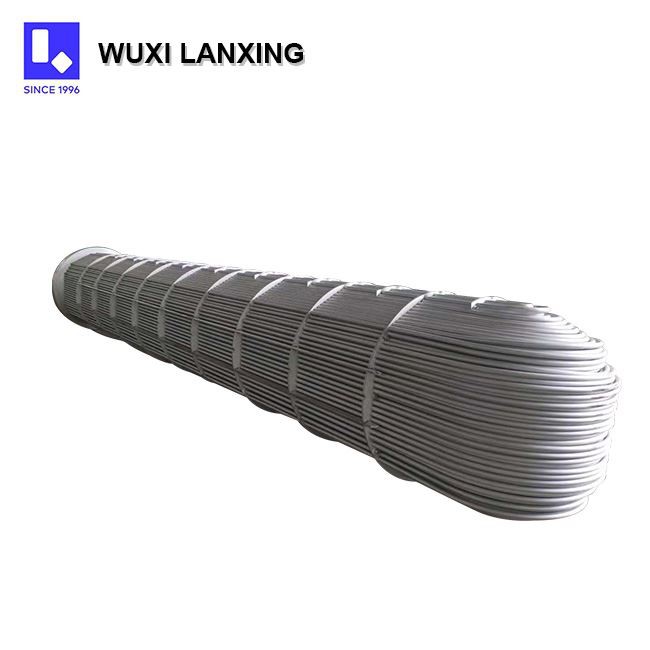
Horizontal units distribute pressure and heat more evenly along their shell and tube bundle than vertical ones do. Vertical units have to withstand the full weight of the fluid in the shell pulling down on the top tubes, which can cause stress over time. Horizontal units lay flat, so that weight is distributed across the entire length of the shell, reducing stress points.
I remember a job a few years back for a power plant that needed to cool super-heated steam for their turbine system. The steam was moving at super high pressure, and if they'd tried a plate exchanger, it would have bent and failed within months. The horizontal shell and tube unit we supplied handled the load like a champ, and it's still running three years later with zero issues. Even for lower-pressure, high-flow liquid applications, horizontal units work great because you can add more tubes to increase surface area without making the unit too tall to fit in your facility.
When You Need Easy Maintenance or Tube Cleaning
Let's talk about the boring stuff-maintenance. No one likes shutting down a production line to clean a heat exchanger, but some applications require regular cleaning because fluids build up scale, sludge, or fouling on the tube surfaces. That reduces heat transfer efficiency, so you have to run the unit longer or use more energy to get the same result.
Horizontal shell and tube units are way easier to clean than you'd think. Most have removable end heads (channel covers) that you can just unbolt and take off, giving you full access to the entire tube bundle. If it's a shell-side fouling issue, you can even pull the whole tube bundle out of the shell like a big drawer, wash it down, and put it back in. Some customers even have a spare tube bundle on hand, so when one needs cleaning, they just swap it out in a few hours and keep their line running.
Compare that to, say, a plate heat exchanger-you have to take apart every single plate, wash each one, and put them back together, which takes days. Or a vertical shell and tube unit-getting to the tube bundle means climbing up a ladder and working in tight spaces. For facilities that run 24/7, that downtime cost is huge, and the easy maintenance of horizontal units saves them tens of thousands of dollars a year. We've also got a range of units specifically designed for handling liquids and gases that tend to foul tubes, check that out here: Tube Bundle Heat Exchanger for Liquids and Gases.
When You're Using Multiple Fluids or Specialized Fluid Combinations
Sometimes you don't just have two fluids-you've got three, or one fluid that needs to heat or cool another that's super different in density. For example, if you're cooling a heavy, viscous oil with water, horizontal units work better because the slower-moving oil (it's heavy, so it likes to sit low in the horizontal shell) flows evenly across the top of the tubes, so there's no dead space where heat doesn't transfer.
We also supply a lot of horizontal shell and tube units as water-cooled evaporators for industrial refrigeration systems. In these setups, the tubes hold the refrigerant, and the water flows around them in the shell. The horizontal design keeps the refrigerant evenly distributed, so it boils evenly and cools the water efficiently. A lot of food processing plants use these to chill water for making ice, cooling processing lines, or preserving food, and you can learn more about that specific application here: Water Cooled Evaporator Industrial Shell and Tube Heat Exchanger.
When Not to Use a Horizontal Shell and Tube Unit
I wouldn't be doing my job if I didn't tell you when to skip these. For small, low-pressure, low-temperature applications, horizontal units are overkill. If you're a small brewery needing to cool wort, or a small commercial HVAC system, a plate exchanger or even a simple air-cooled unit will be cheaper, smaller, and more efficient. Horizontal units take up more floor space, right? Because they're long and wide, not tall. If you've got a tiny footprint or can only install equipment vertically, a horizontal unit just won't work.
Another case: if you're dealing with very small flow rates, like a lab or small pilot plant, horizontal units are too big and have too much surface area. They'll heat or cool a small stream way more than you need, wasting energy. And if you're working with ultra-fouling fluids that require really frequent deep cleanings, there are newer designs that are more optimized for that, though horizontal units still work for many heavy-fouling apps.
Final Thoughts
At the end of the day, horizontal shell and tube heat exchangers are workhorses. They're built to handle the tough jobs that other designs can't, whether that's high pressure, corrosive fluids, frequent maintenance needs, or large volumes. They might not be the fanciest or smallest option, but when you need reliability, safety, and long-term performance, they're hard to beat.
If you're not sure if a horizontal shell and tube unit is right for your application, or if you've got a specific need for heat transfer equipment, reach out. We've got experts who can help you spec the right unit, whether that's a standard shell and tube, a water-cooled evaporator, or even a different type of unit like a nickel brazed plate exchanger for lighter-duty, high-efficiency jobs. For more info on that alternative, check out Nickel Brazed Plate Heat Exchanger too, just to have all the options.
Don't guess on your heat transfer needs-get the right unit that fits your process, saves you downtime, and keeps your operations running smoothly. Contact our team today to discuss your requirements.


