
Optimizing the operation of an air compressor heat exchanger is crucial for ensuring the efficiency, reliability, and longevity of the entire air compression system. As a leading supplier of air compressor heat exchangers, we have extensive experience in this field and are committed to providing our customers with the best solutions. In this blog post, we will explore various strategies and techniques for optimizing the operation of air compressor heat exchangers.
Understanding the Basics of Air Compressor Heat Exchangers
Before delving into optimization strategies, it's essential to understand the fundamental principles of air compressor heat exchangers. A heat exchanger is a device that transfers heat from one fluid to another without the two fluids mixing. In the context of air compressors, heat exchangers are used to remove the heat generated during the compression process, which helps to maintain the efficiency and performance of the compressor.
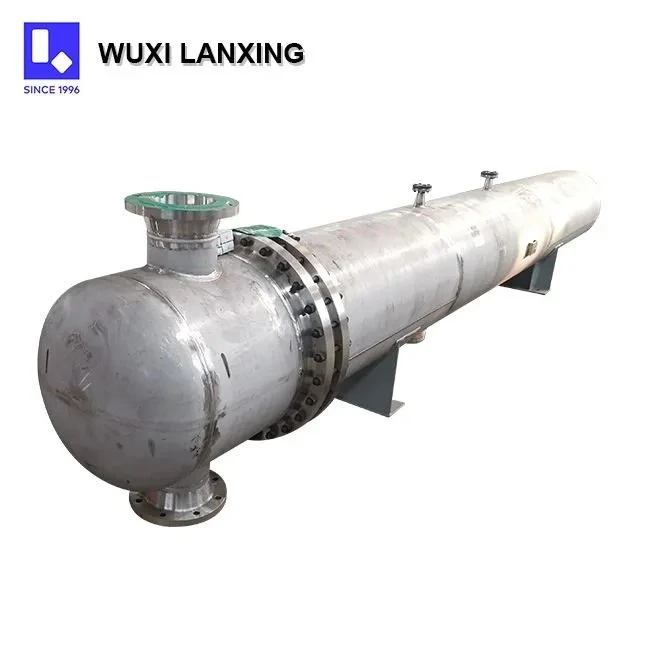
There are several types of heat exchangers commonly used in air compressor systems, including shell and tube heat exchangers, plate heat exchangers, and finned tube heat exchangers. Each type has its own advantages and disadvantages, and the choice of heat exchanger depends on factors such as the application, the operating conditions, and the available space.
Importance of Optimizing Heat Exchanger Operation
Optimizing the operation of an air compressor heat exchanger offers several benefits. Firstly, it improves the energy efficiency of the air compressor system. By effectively removing heat, the compressor can operate at lower temperatures, reducing the power consumption and extending the lifespan of the equipment. Secondly, it enhances the reliability of the system. Overheating can cause damage to the compressor components, leading to breakdowns and costly repairs. By maintaining optimal operating temperatures, the risk of equipment failure is significantly reduced. Finally, it improves the overall performance of the air compressor, ensuring that it can deliver the required amount of compressed air at the desired pressure.
Strategies for Optimizing Heat Exchanger Operation
Here are some key strategies for optimizing the operation of an air compressor heat exchanger:
1. Proper Sizing and Selection
The first step in optimizing heat exchanger operation is to ensure that the heat exchanger is properly sized and selected for the specific application. This requires a thorough understanding of the heat load, the flow rates of the fluids, the operating temperatures, and the pressure drops. By selecting a heat exchanger that is appropriately sized, you can ensure that it can effectively transfer the required amount of heat without being over or under - sized.
We offer a wide range of heat exchangers, including Oil Cooler For Car, Gas Cooling Heat Exchanger, U Tube Heat Exchanger, Vertical Storage Tank, and Copper Brazed Plate Heat Exchanger. Our team of experts can help you select the most suitable heat exchanger for your air compressor system based on your specific requirements.
2. Regular Maintenance
Regular maintenance is essential for ensuring the optimal performance of the heat exchanger. This includes cleaning the heat exchanger surfaces to remove any dirt, debris, or scale that may accumulate over time. Scale buildup can significantly reduce the heat transfer efficiency of the heat exchanger, leading to increased energy consumption and reduced performance. Cleaning can be done using chemical cleaners or mechanical methods, depending on the type of heat exchanger and the nature of the deposits.
In addition to cleaning, regular inspection of the heat exchanger is also important. Check for any signs of leaks, corrosion, or damage to the tubes, fins, or gaskets. Replace any damaged components promptly to prevent further deterioration of the heat exchanger.
3. Monitoring and Control
Implementing a monitoring and control system is another effective way to optimize the operation of the heat exchanger. By continuously monitoring the temperature, pressure, and flow rates of the fluids, you can detect any abnormalities or deviations from the normal operating conditions. This allows you to take corrective actions in a timely manner, preventing potential problems and ensuring the efficient operation of the heat exchanger.
Advanced control systems can also be used to adjust the flow rates of the fluids or the speed of the fans or pumps based on the actual heat load. This helps to maintain the optimal operating conditions and further improve the energy efficiency of the system.
4. Improving Fluid Flow
Proper fluid flow is crucial for the efficient operation of the heat exchanger. Ensure that the flow rates of the fluids are within the recommended range and that there are no restrictions or blockages in the pipes or channels. This may involve checking and cleaning the filters, valves, and pipes regularly.
In addition, optimizing the flow distribution within the heat exchanger can also improve its performance. This can be achieved by using baffles or flow guides to ensure that the fluids are evenly distributed across the heat transfer surfaces.
5. Using High - Efficiency Heat Transfer Fluids
The choice of heat transfer fluid can also have a significant impact on the performance of the heat exchanger. Using high - efficiency heat transfer fluids with good thermal conductivity and low viscosity can improve the heat transfer rate and reduce the energy consumption.
Some common heat transfer fluids used in air compressor heat exchangers include water, glycol - water mixtures, and synthetic oils. The selection of the heat transfer fluid depends on factors such as the operating temperature range, the corrosion resistance requirements, and the environmental considerations.
Case Studies
To illustrate the effectiveness of these optimization strategies, let's look at a few case studies.
Case Study 1: A manufacturing company was experiencing high energy consumption and frequent breakdowns in their air compressor system due to inefficient heat exchanger operation. After a thorough analysis, we recommended replacing the existing heat exchanger with a properly sized U Tube Heat Exchanger and implementing a regular maintenance and monitoring program. As a result, the energy consumption of the air compressor system was reduced by 20%, and the frequency of breakdowns was significantly decreased.
Case Study 2: A food processing plant was facing issues with the quality of their compressed air due to overheating in the air compressor system. We installed a Copper Brazed Plate Heat Exchanger and optimized the fluid flow and control system. This led to a significant improvement in the temperature control of the compressed air, ensuring the quality and reliability of the production process.
Conclusion
Optimizing the operation of an air compressor heat exchanger is a multi - faceted process that requires careful consideration of various factors, including proper sizing and selection, regular maintenance, monitoring and control, improving fluid flow, and using high - efficiency heat transfer fluids. By implementing these strategies, you can improve the energy efficiency, reliability, and performance of your air compressor system.
As a leading supplier of air compressor heat exchangers, we are dedicated to helping our customers achieve optimal heat exchanger operation. If you are interested in learning more about our products and services or would like to discuss your specific requirements, please feel free to contact us for procurement and further discussion.


